
Kombucha changed the way my stomach and my tastebuds get along. I used to reach for sugary sodas when an afternoon slump hit, then feel blah and bloated. A friend handed me a fizzy, tart tea and said try this magic. After a week, my belly felt calmer, I craved fewer sweets, and I finally had a satisfying bubbly drink that did more than just taste good.
It turns out this tangy fermented tea is packed with live cultures and organic acids that can gently support digestion and help your gut feel more settled, especially when it replaces super sweet drinks. You still get that refreshing, soda-like sip, just with a little more purpose behind every bubble. For anyone who wants something fun to drink that does more than spike your sugar, kombucha earns its quiet hero status.
In this guide, you will learn why kombucha can be a friend to your gut and exactly how to brew it at home without drama. No fancy equipment, no complicated science talk, just clear steps you can follow in a regular kitchen. Grab a jar, some tea, and a SCOBY, and let us turn your next fizzy drink into something your body and your tastebuds can agree on.
If you love simple kitchen projects that deliver real comfort, this guide fits right next to recipes like gluten-free cottage cheese pancakes that prove healthy can taste amazing.
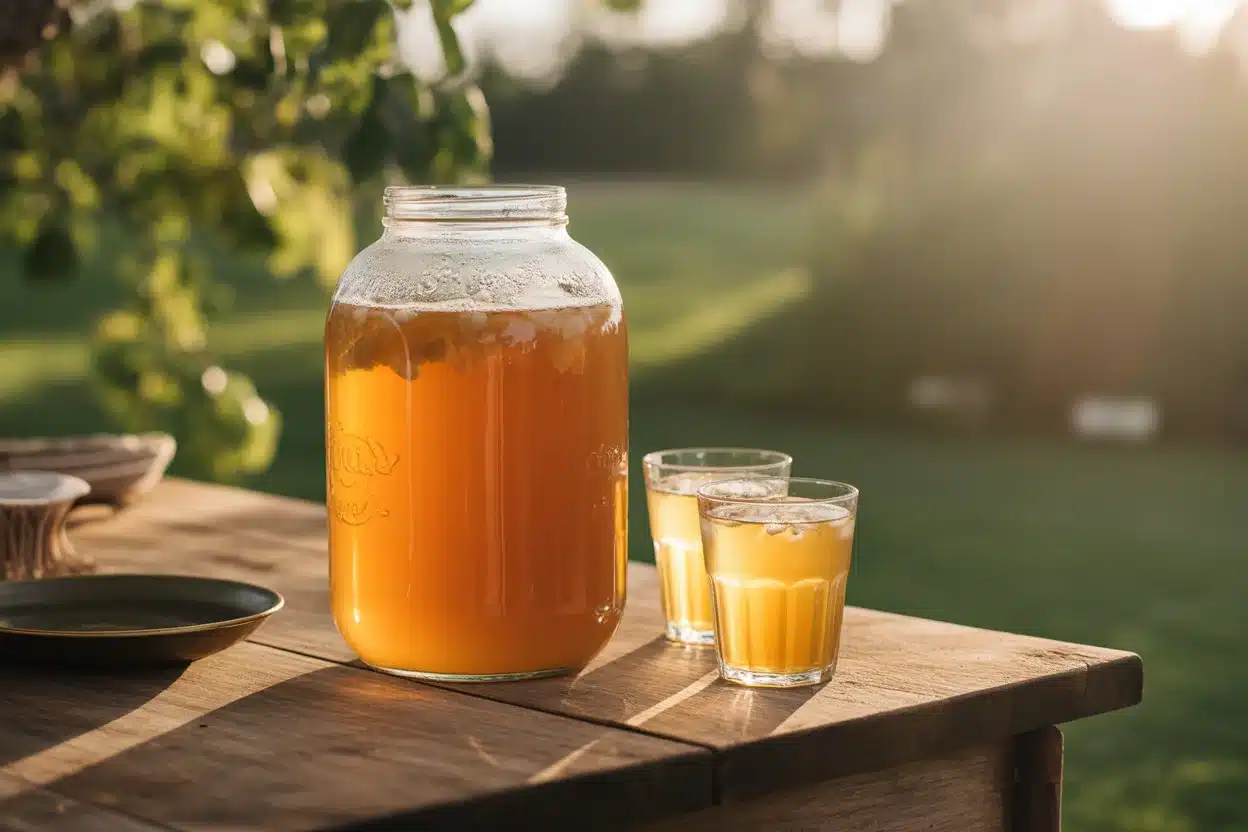
History of Kombucha
Let’s time travel a bit. This fermented tea likely started in Northeast Asia centuries ago, then migrated along trade routes. People originally sipped it for its refreshing tang and the way it felt on the stomach. Over time it developed a reputation as a household tonic, the kind that grandmothers make without measuring and swear by for everyday health.
In the last couple of decades, it jumped into Western grocery stores and coffee shops. Suddenly everyone had a favorite flavor, from ginger to berries to floral blends. But commercial bottles are just the tip of the story. Home brewers discovered that with a little patience and a friendly culture, they could control sweetness, fizz, and flavor.
What I love about the tradition is how hands-on it is. You’re caring for a living culture, watching it transform sweet tea into something tangy and complex. It’s like a tiny kitchen science project that ends with a drink you actually want to sip.
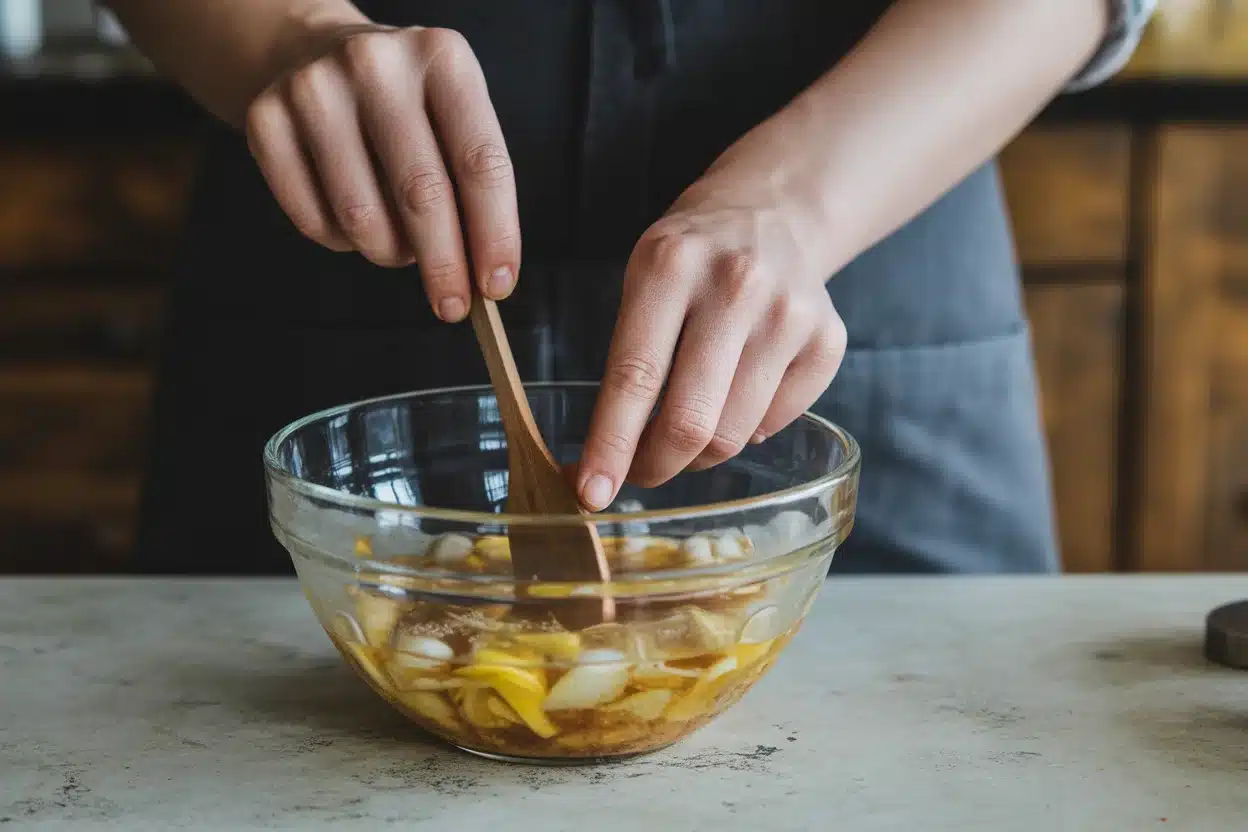
Health Benefits of Kombucha
I’m not here to promise miracles, but I can tell you what this brew did for me and what the research hints at. The pigments in tea bring antioxidants, and the fermentation produces a lively mix of probiotics and organic acids. Together, they may support a healthy gut, which can influence everything from regularity to mood. On days when my meals feel a little heavy, a small glass of this tangy tea settles things in a way soda never could.
The gentle bite comes from acids like acetic and gluconic, which may help keep unfriendly microbes in check. Many drinkers report less bloating and steadier energy. I noticed I reached for fewer snacks in the afternoon once I swapped my usual drink for this fizzy option. Everyone is different, of course, and the best habit is the one you’ll stick with.Pairing kombucha with lighter meals like refreshing cucumber carrot salad makes it easy to keep digestion happy all day long.
Who should be cautious
If you’re pregnant, immune compromised, or new to fermented foods, start small and chat with a healthcare pro. Homemade batches need cleanliness, and store bought bottles vary in sweetness and fizz. I keep my pours to a modest glass with meals, which feels like a sweet spot for comfort and consistency.
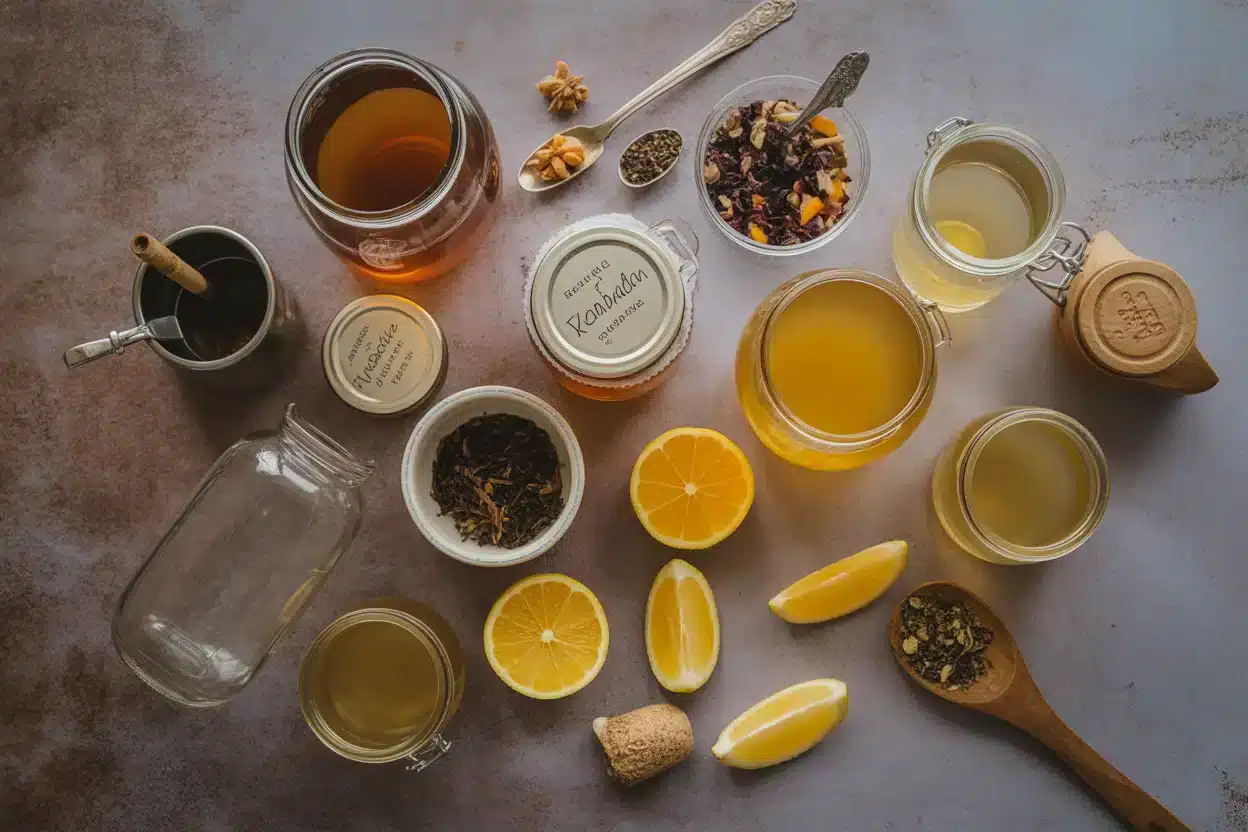
Composition and Properties
The magic comes from a living culture called a SCOBY short for symbiotic culture of bacteria and yeast. It looks like a squishy pancake and floats or sinks as it pleases. The culture feasts on sugar and tea, producing fermentation byproducts like organic acids, a touch of carbonation, and small amounts of B vitamins. Because the microbes are busy eating, the drink ends up less sweet than the tea you started with.
What gives it the fizz
As the yeast chew through sugars, they release carbon dioxide. In a loosely covered jar the gas escapes, so your first stage is lightly bubbly. Bottle it tight for a short second stage and you’ll trap that gas for a cheerful sparkle. I like a gentle fizz instead of a volcanic pop, and timing is how you control it.
What it tastes like
Think crisp, tart, faintly fruity, with a tea backbone. Add fruit puree or spices during bottling and you can nudge the flavor toward bright strawberry, ginger heat, or citrus zip. That same balance of tart and sweet shows up in cranberry orange breakfast muffins where bright fruit meets cozy comfort.
Quick safety notes from my kitchen to yours. A properly brewed batch should smell clean and vinegary, never rotten. Keep your jar covered with a breathable cloth to block dust and bugs. The final drink usually holds only a tiny amount of alcohol, often under 0.5 percent, and a small amount of caffeine from the tea. If you’re sensitive, go easy and see how you feel.
Production Process
Here’s how I do it at home in a way that fits around real life. My first batch was a little awkward, but after two rounds it felt as normal as making overnight oats. The hands-off patience reminds me of oatmeal apple breakfast bake where prep is simple and the oven does the heavy lifting. The keys are cleanliness, steady room temperature, and patience.
What you need
- 1 large glass jar, 1 to 2 liters
- Breathable cloth and rubber band
- SCOBY with a cup of starter liquid
- Tea bags or loose tea black or green
- Plain white sugar
- Filtered water
- Bottles with tight caps for the second stage
Simple brewing steps
- Make sweet tea. Dissolve sugar in hot water, steep tea, then cool to room temp. Hot liquid can harm your culture, so let it cool fully.
- Combine. Pour the sweet tea into your clean jar, add the starter liquid, then gently slide in the culture.
- Cover. Use the cloth and band. Set the jar in a warm, shaded spot. Aim for 21 to 24 degrees Celsius if you can.
- Wait. In about 7 to 10 days, taste with a clean spoon. When sweetness falls and tang rises, it is ready for bottling.
- Bottle. For secondary fermentation, pour into bottles, leaving some headspace. Add a little fruit or ginger if you like.
- Burp. Leave bottles at room temp for 1 to 3 days, opening daily to release pressure. Then chill to slow things down.
Other Uses of Kombucha
Once you have a steady rhythm, the fun begins. I love mixing a splash into salad dressing with olive oil, honey, and Dijon. The tang lifts simple greens like magic. It is also a fantastic mocktail base. Try it over ice with muddled berries and a squeeze of lime, or pair it with ginger syrup for a spicy cooler.
Try whisking a splash into the dressing for festive Christmas salad or drizzle over roasted soya chunks salad for a probiotic boost.
If your jar ever goes long and turns extra sour, you’ve basically made a tea vinegar. Use that to quick pickle sliced cucumbers or red onions. The same trick works beautifully in pancake poppers or Nutella stuffed pancakes for extra fluffiness.
A small note on beauty hacks. Some folks try it as a hair rinse or skin toner, but always dilute heavily and patch test first. In my home, the best use is still in a glass with breakfast or a late afternoon snack. It helps me pause, breathe, and reset.
Common Questions
How sweet is the final drink?
It starts sweet but finishes tangy as the culture eats the sugar. If it tastes too sugary, let it ferment a day or two longer and taste again.
Does it have alcohol?
Only a small amount forms during fermentation, usually trace levels. Keep batches at room temp and do not overdo the second stage if you want to keep it low.
Is it safe for kids?
Ask your pediatrician first. Many parents offer small sips of the store bought kind because it is consistent. Homemade can vary, so start tiny and watch how they respond.
What if I see mold?
Mold looks fuzzy and dry, often blue, green, or black on the surface. If you see it, toss the batch and start fresh with clean gear and a healthy culture.
Can I use herbal tea?
Stick with real tea leaves for the base because the culture needs those nutrients. You can add herbs or fruit for flavor at bottling time instead.
Sip happy, friends
From a simple jar of sweet tea to a bright, fizzy glass, this brew earns its spot in my fridge. It feels good on the gut, offers a fun routine in the kitchen, and tastes like a smarter soda. If you want the big picture background, the Kombucha page is a solid overview, and for balanced health notes, the Kombucha tea guidance from Mayo Clinic is clear and helpful.
If you’re exploring fermented and healthier swaps, pair this with recipes like baked breakfast tacos or cowboy breakfast sliders for balanced, satisfying meals.
Ready to try a small batch. Grab a clean jar, keep it simple, and enjoy the first bubbly sip you made yourself.

Kombucha
Ingredients
For the Kombucha
- 1 large jar large glass jar, 1 to 2 liters Ensure it’s clean
- 1 cloth Breathable cloth for covering To block dust and bugs
- 1 rubber band Rubber band for securing cloth
- 1 cup SCOBY with a cup of starter liquid Symbiotic culture of bacteria and yeast
- 4 bags Tea bags or loose tea (black or green) Select based on preference
- 1 cup Plain white sugar Needed for fermentation
- 4 cups Filtered water To dissolve sugar and make tea
- a few bottles Bottles with tight caps for the second stage For secondary fermentation
Instructions
Brewing
- Make sweet tea by dissolving sugar in hot water, steep tea, then cool to room temperature.
- Combine sweet tea with starter liquid in a clean jar, then gently add the SCOBY.
- Cover the jar with the breathable cloth and secure with a rubber band.
- Place the jar in a warm, shaded spot (aim for 21 to 24 degrees Celsius).
- Wait for 7 to 10 days, tasting with a clean spoon until it is ready for bottling.
- Bottle the kombucha, leaving some headspace, and optionally add fruit or ginger.
- Leave bottles at room temperature for 1 to 3 days, opening daily to release pressure.
- Chill the bottles to slow fermentation and serve cold.