
Matcha Latte lovers, you know that moment when the afternoon slump hits and you want something soothing but still a little energizing? That is my sweet spot. It is the quiet pause I make before diving back into emails or edits, and it always tastes a little creamy, a little grassy, and a lot peaceful. I have tweaked and tested so many cups at home that I could probably whisk with my eyes closed.
The secret to a great matcha latte at home comes down to three things: sifting the powder so it stays smooth, whisking in a zigzag motion to create that airy foam, and warming your milk just right so it blends without fighting the matcha. Once you nail those steps, you can customize sweetness, milk type, and strength to match exactly what your mood needs. No barista required, just a bowl, a whisk, and a couple of minutes.
Today I am sharing my favorite routine and all the little tips that make the difference between a clumpy cup and a perfectly frothy one. If you have been curious about making matcha latte at home, this is your sign to try. It is easier than you think and way more satisfying when you can sip something you made yourself.
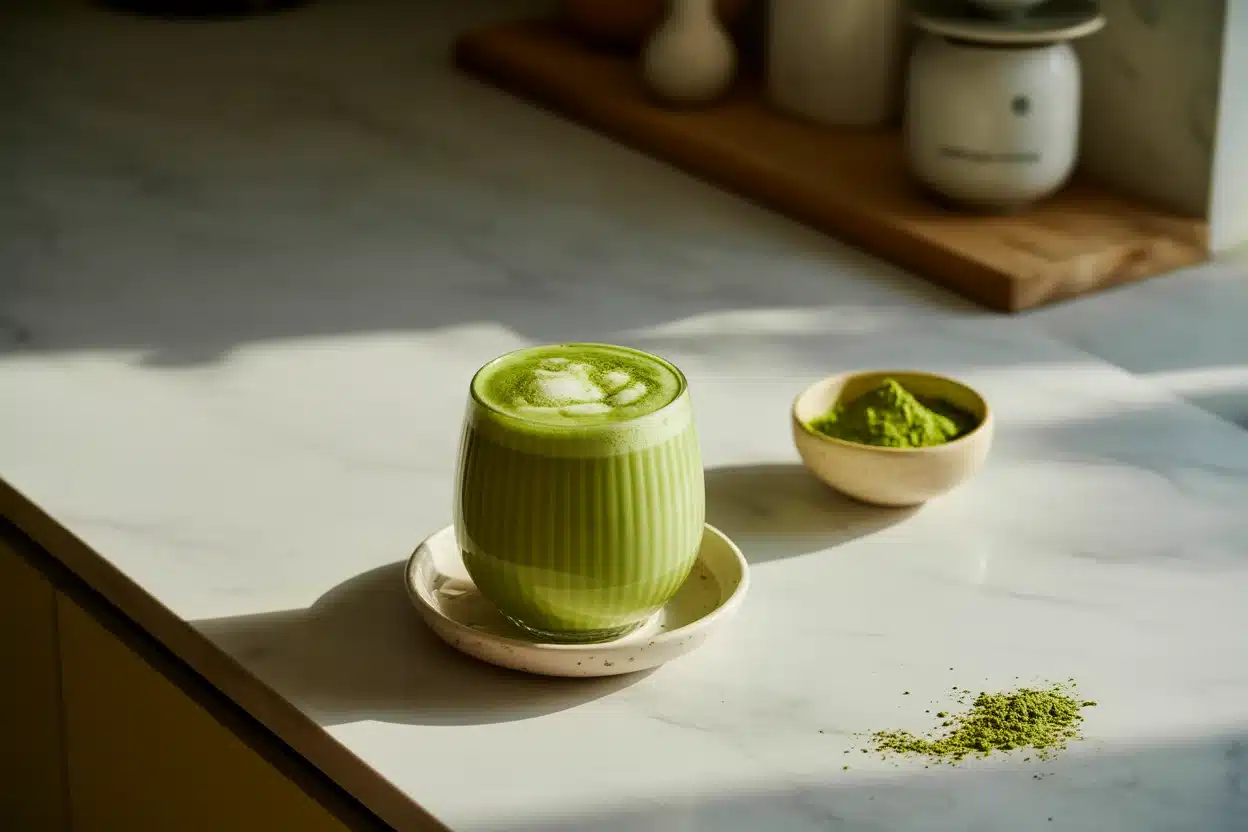
Sipping on Serenity: My Favorite Matcha Latte Moments
What is Matcha?
Matcha is a finely ground green tea powder made from shade grown leaves. Instead of steeping and removing the leaves, you whisk the powder into water and drink the whole thing, which is why a tiny scoop packs a solid flavor and a gentle lift. The taste is fresh and slightly sweet with a soft grassy note. Think calm focus rather than jittery energy. It is one of those drinks that feels like a small ritual, and that is exactly why I love it on slow mornings and late afternoons.
If you have ever wondered about the grades, here is the simple version I use at home. Ceremonial grade is bright green and smoother, amazing for sipping. Culinary grade is a little more robust and great in lattes, baking, and smoothies. If you can, try a small tin of each and see what you prefer. I started with culinary for everyday cups, then fell in love with a mid range ceremonial for special days.
Curious and just starting out? Like kombucha, matcha fits beautifully into a gentle wellness routine that feels more like a ritual than a chore.
Quick flavor note: quality matcha tastes vibrant, not dull or swampy. If the color is brownish or the flavor is bitter straight away, chances are it is either old or too hot water touched it.
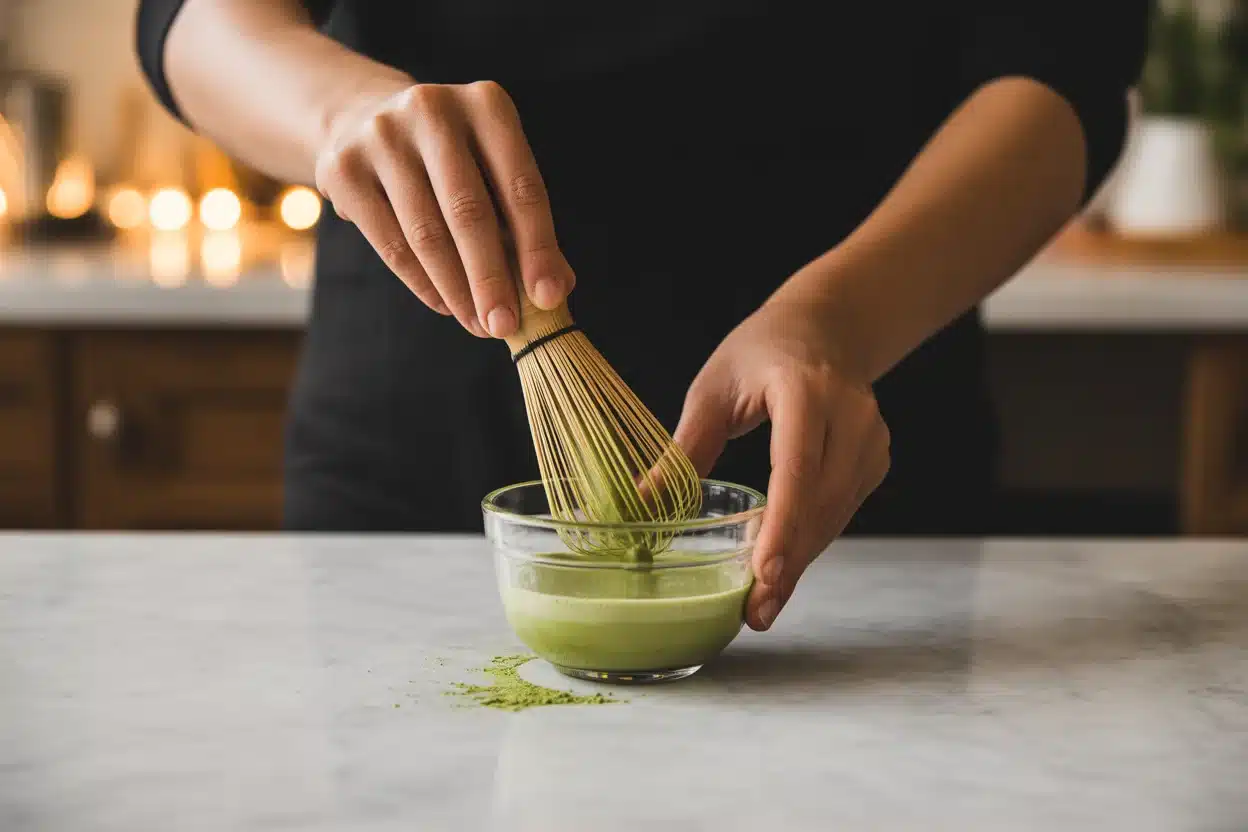
How to Make Matcha Latte at Home
What you will need
- 1 to 1.5 teaspoons matcha powder, sifted
- 2 tablespoons warm water, not boiling, about the temperature of a very hot bath
- 3/4 to 1 cup milk of choice
- Sweetener if you like, I use 1 to 2 teaspoons maple syrup or honey
- Whisk or small electric frother, plus a fine mesh sieve
My easy method
- Sift the matcha into a mug or small bowl. Sifting breaks up clumps and gives you a smooth sip.
- Add the warm water and whisk quickly in small zigzags until you see a light foam. A bamboo whisk is classic, but a small handheld frother works great too.
- Warm your milk until steamy, then froth if you like extra foam. Pour it over the matcha.
- Sweeten to taste. I love maple because it melts instantly and adds a cozy note.
- Take a sip, adjust sweetness, and enjoy the calm. I love pairing my morning matcha with gluten-free cottage cheese pancakes or cranberry orange breakfast muffins for a balanced start to the day.
That is the base, but here are the little tweaks that make my daily cup feel special. I often add a pinch of sea salt to wake up the flavor. If I am craving dessert vibes, I splash in a little vanilla. For workdays, I switch to an iced version that I shake in a jar with ice. And when I want extra foam, I heat half the milk, then top with thick, frothy milk to finish.
Most days I keep it simple, but when friends stop by I make a mini latte bar. I put out honey, maple, vanilla, cinnamon, and a little jar of coconut sugar. Everyone gets to play with flavors, and my kitchen smells amazing. The best part is watching people take that first sip and immediately relax their shoulders. That tiny pause is why this small ritual is a favorite in my house.
For afternoon treats, try serving matcha alongside rosemary shortbread cookies or Christmas cookies that complement the earthy, grassy notes beautifully.
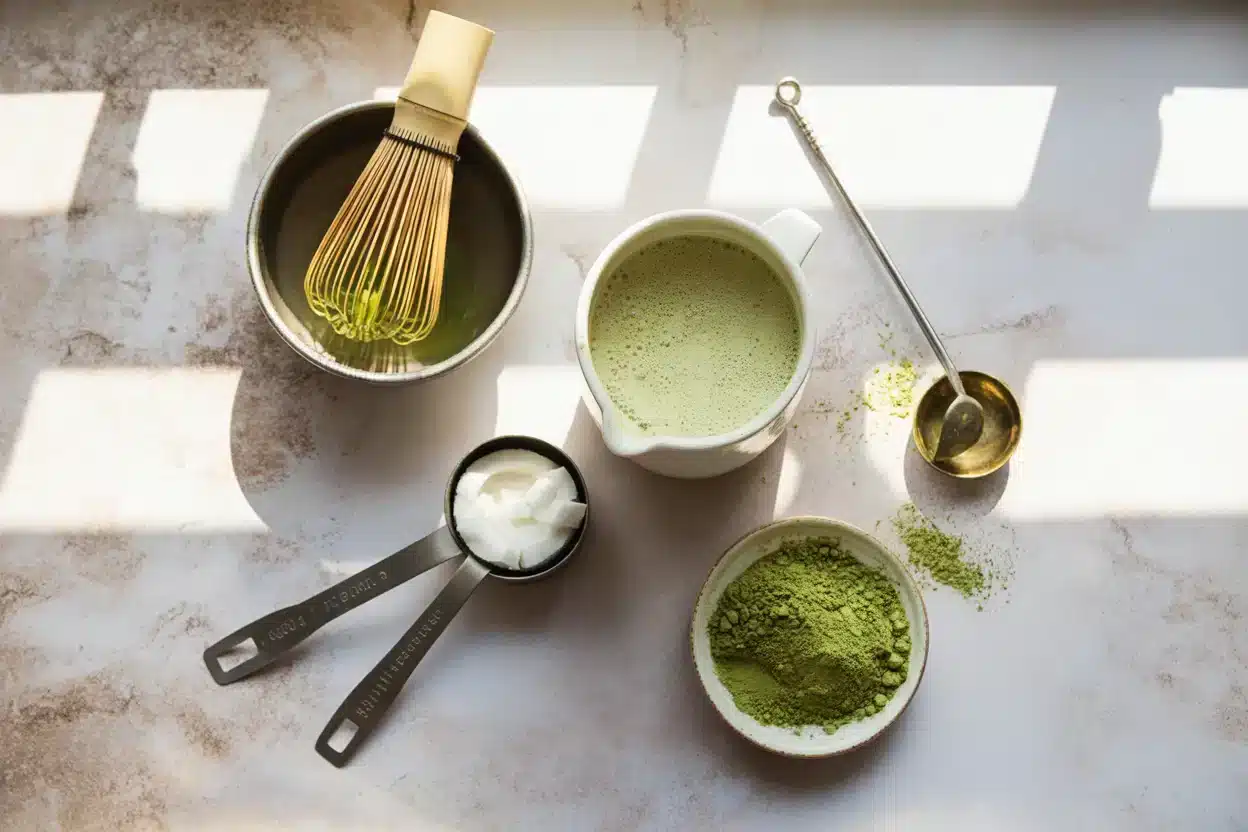
Milk Options for an Iced Matcha Latte
Best non dairy and dairy picks
I am a big believer that the milk you choose can make or break your cup, especially when you pour it over ice. The goal is creamy and balanced, not watery.
- Barista style oat milk: super creamy, froths well, faint sweetness that pairs beautifully.
- Almond milk: lighter body, clean finish. Add a little extra sweetener to round it out.
- Coconut milk blend: lush texture with a tropical whisper. I do half coconut, half oat for balance.
- Whole dairy milk: classic, rich, and very stable over ice.
- 2 percent dairy milk: a touch lighter but still creamy enough for smooth sipping.
If you are chasing coffee shop vibes, try a barista blend for reliable froth. For summer afternoons, I shake matcha, cold water, and sweetener in a jar, then top with cold oat milk and ice. When I want something a bit sweeter, I stir in a spoon of homemade vanilla syrup. The vanilla syrup trick also works perfectly in fall pumpkin French toast or drizzled over oatmeal apple breakfast bake for cozy mornings.
Pro tip I learned the hard way: make a matcha paste with a small splash of cool water first, then add the rest of your liquid. This keeps everything silky and avoids gritty sips.
Where to Buy Matcha
For a smooth and bright cup, quality matters. I look for brands that are transparent about harvest dates and origin, usually from regions in Japan known for shade grown tea. Online shops often have the freshest stock, and specialty grocers sometimes carry good picks in the tea aisle. Check that the tin is sealed and the expiration date is at least several months out.
I like buying smaller tins so I can finish them within a few weeks. Once opened, store matcha in a cool, dark place. If your kitchen gets warm, tuck it into the fridge in an airtight container. Avoid sunlight and heat, both can dull the color and taste quickly.
Matcha Shopping Tips
How I choose a tin I actually love
Here is my quick checklist when I am browsing. It keeps me from wasting money on a dull or bitter tin.
Color check: look for a vivid spring green. Dull or brownish means it has oxidized or is lower quality.
Texture: the powder should be very fine, almost like baby powder. Gritty texture usually clumps and tastes uneven.
Origin and harvest: I look for specific regions and info on first or second harvest. More detail on the label usually signals a brand that cares.
Aroma: good matcha smells fresh, slightly sweet, and grassy. If a sample smells flat, skip it.
Trial size first: when trying a brand, I buy the smallest tin. If it is a hit, I go bigger next time.
The same quality-over-quantity approach applies when I’m stocking up on ingredients for Dubai chocolate bar or flourless chocolate cake where premium ingredients really shine.
One more tip for the road. Check how a brand suggests preparing a Matcha Latte. If their directions recommend very hot water, I move on. Heat can scorch the powder and lead to bitterness. Gentle warmth is the name of the game.
Common Questions
Do I need a bamboo whisk?
No, but it helps. A bamboo whisk gives a nice foam and blends quickly. A small electric frother or even a tiny regular whisk can still make a great Matcha Latte.
Why does my matcha taste bitter?
Usually the water was too hot or the matcha is old. Use water that is hot but not boiling, and store your tin away from light and heat.
Can I make a Matcha Latte without sweetener?
Absolutely. Good matcha has a natural sweetness. I often skip sweetener in the morning and save it for an afternoon treat.
How do I avoid clumps?
Sift the powder and whisk with a splash of cool water first to make a paste. Then add warm water and milk. This keeps everything smooth.
How much matcha is too much?
Start with 1 teaspoon and see how you feel. Everyone is different, but one to two cups a day is a comfortable range for most people.
A Calm Sip To Go
There is something about a homemade Matcha Latte that slows the day just enough to breathe. Keep your steps simple, choose milk you enjoy, and lean on little upgrades like sifting and a tiny splash of vanilla.
If you want more step by step ideas, this Matcha Latte Recipe – Love and Lemons walks through a clean method I really like, and this breezy guide to chill afternoons, Iced Matcha Latte An Easy Recipe – A Cozy Kitchen, nails the iced approach.
Try one cup this week, tweak it to your taste, and make it your calm little ritual. I will be over here whisking mine and cheering you on.
Matcha Latte
Ingredients
For the Matcha Latte
- 1-1.5 teaspoons matcha powder, sifted Use culinary grade for lattes.
- 2 tablespoons warm water Water should be warm, not boiling.
- 3/4-1 cup milk of choice Choose based on your taste preference.
- 1-2 teaspoons sweetener Use maple syrup or honey.
Optional Flavor Enhancers
- a pinch sea salt To enhance flavor.
- a splash vanilla extract For dessert vibes.
Instructions
Preparation
- Sift the matcha into a mug or small bowl to break up clumps.
- Add the warm water and whisk quickly in small zigzags until you see a light foam.
- Warm your milk until steamy, then froth if you like extra foam.
- Pour the frothed milk over the matcha.
- Sweeten to taste and adjust sweetness as desired.
Optional Tweaks
- Add a pinch of sea salt or a splash of vanilla for extra flavor.
- For an iced version, shake matcha, cold water, and sweetener in a jar with ice, then top with cold milk.